Ecomafia's Dark Legacy: Calabria's Buried Radioactive Waste Scandal
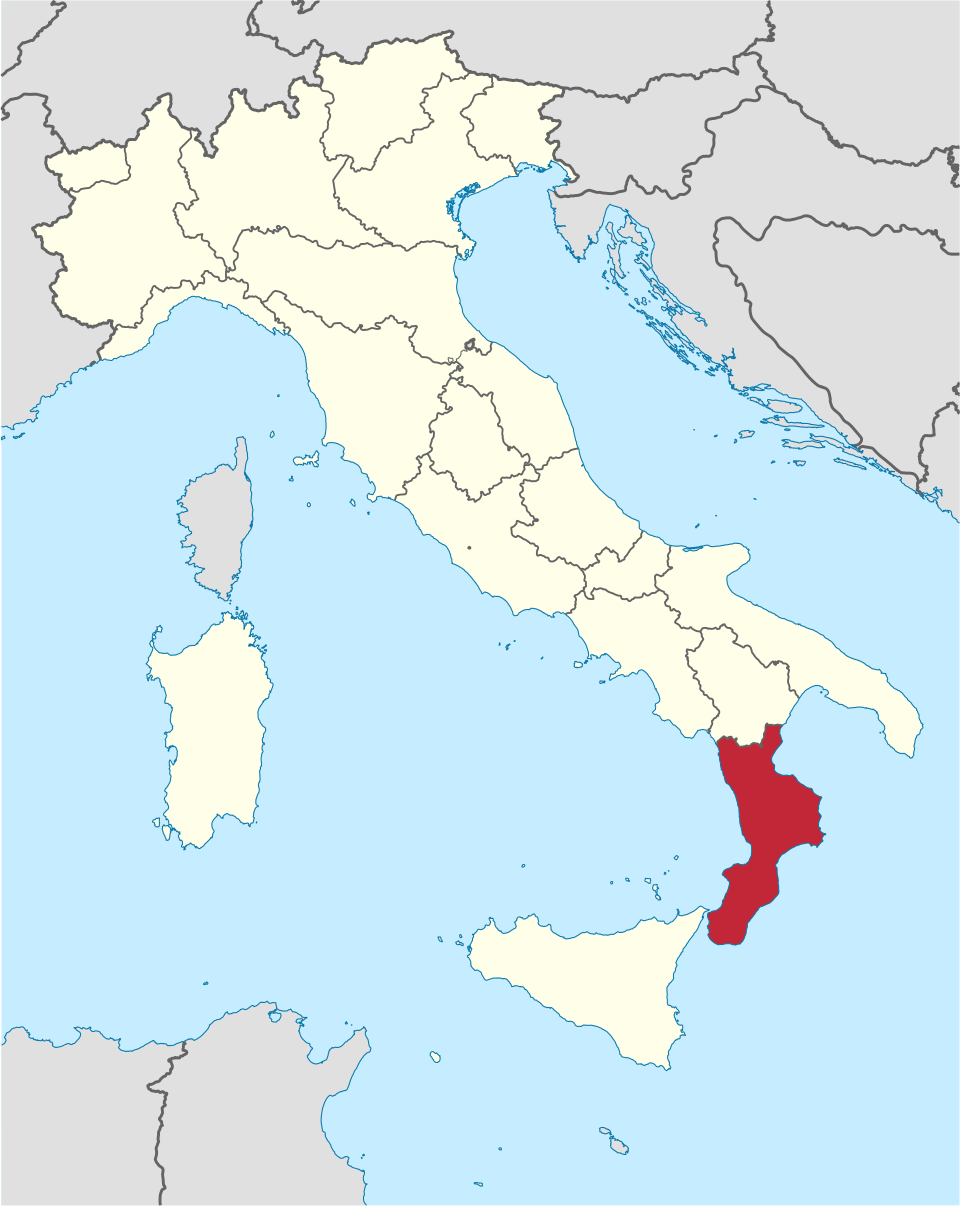
Beneath the azure waters and picturesque coastline of Calabria, Italy's southern region, lies a chilling secret: the alleged dumping of vast quantities of toxic and radioactive waste. This isn't an accident of nature but a calculated criminal enterprise orchestrated by the 'Ndrangheta, Calabria's powerful organized crime syndicate. The term "ecomafia" has emerged to describe this insidious intersection of environmental degradation and organized crime, painting a grim picture of a region grappling with its dark legacy. The persistent shadow of the Calabria waste investigation continues to haunt both its people and its environment.
The Genesis of a Grave Crime: Waste as a Lucrative Commodity
The roots of Calabria's toxic waste scandal stretch back to the 1980s. Prior to this, waste disposal, though regulated, was less stringent. However, the introduction of more rigorous environmental legislation by the European Union transformed waste disposal into an expensive and often lengthy process. For legitimate industries, this meant higher operational costs. For organized crime, it presented a golden opportunity.
The 'Ndrangheta, renowned for its ruthlessness and global reach, quickly identified illegal waste dumping as an incredibly lucrative business. Instead of paying hefty sums for proper, compliant disposal, companies could illicitly offload their hazardous materials at a fraction of the cost, with the 'Ndrangheta serving as the illicit middleman. This practice not only corrupted the disposal chain but also allowed dangerous toxins, including radioactive materials, to be handled with catastrophic disregard for environmental and human safety. The shift marked a grim evolution in organized crime's portfolio, turning pollution into profit.
Francesco Fonti's Explosive Revelations: Unmasking the 'Ndrangheta's Network
The true scale of this environmental devastation began to surface dramatically with the revelations of Francesco Fonti, a former member of Calabria's 'Ndrangheta. In 2005, Fonti, a "pentito" (turncoat informant), disclosed a horrifying conspiracy to authorities and later in the news magazine L'espresso. His testimony became a cornerstone of the ongoing Calabria waste investigation.
Fonti claimed personal involvement in sinking at least three vessels loaded with toxic waste, using explosives to send them to the seabed. Critically, he alleged that the 'Ndrangheta had been paid to sink an astonishing number of ships – potentially as many as 30 or even more – laden with hazardous materials, much of it radioactive, over a period spanning two decades. These shipments reportedly originated not only from Italy but also from Switzerland, France, Germany, and the United States.
His revelations pointed fingers at institutional subjects as well. Fonti suggested that managers from ENEA, Italy's state energy research agency, had paid the clan to dispose of hundreds of drums of toxic and radioactive waste. These allegations underscored the complex web of complicity that extended beyond the criminal underworld, implicating business and institutional lobbies in a transnational trafficking scheme. The then-head of Calabria's environment agency, Silvestro Greco, emphasized the urgency of locating these sunken ships, stating that even Fonti's admission of sinking just three vessels necessitated immediate governmental action to find them, let alone the potentially dozens more.
A Mediterranean Graveyard and Global Reach
The 'Ndrangheta's environmental crimes were not confined to the Calabrian coast. Investigators believe the mafia began sinking ships across the wider Mediterranean when EU restrictions tightened, making coastal waters a convenient, if lethal, dumping ground. Over two decades, Italian prosecutors have investigated more than 30 suspicious deep-water sinkings. Many of these vessels disappeared in fair weather, sent no distress signals, or had their crews vanish – all tell-tale signs of illicit activity rather than genuine maritime accidents.
The reach of the "ecomafia" also extended far beyond European shores. Fonti and other sources alleged that vessels were sent to Somalia and other developing countries, carrying not only toxic waste but also radioactive cargoes. In these instances, the waste was either sunk with the ships offshore or buried on land, often after local politicians were bribed. This practice tragically transformed vulnerable nations into dumping grounds for the industrialized world's hazardous byproducts, creating long-term environmental and health crises in regions ill-equipped to handle them.
Environmental groups like Legambiente have been instrumental in pushing forward the Calabria waste investigation. Since 1994, Legambiente has meticulously collected data on the disappearance of at least 40 ships in Mediterranean waters, providing crucial intelligence to public prosecutors and highlighting the systemic nature of this environmental crime.
The Lingering Shadow: Environmental and Health Consequences
The potential consequences of decades of toxic and radioactive waste dumping are staggering. At the heart of the calabria waste investigation is the grim realization that hazardous materials, potentially including nuclear waste, are likely corroding in the deep sea. Over time, these containers will degrade, releasing their deadly contents into the marine ecosystem. This poses a severe threat:
- Marine Life Contamination: Fish, crustaceans, and other marine organisms can absorb toxins and radioactive isotopes, which then enter the food chain. This bioaccumulation can lead to widespread contamination, impacting biodiversity and potentially rendering seafood unsafe for human consumption.
- Human Health Risks: For communities reliant on fishing or living near affected coastlines, exposure to contaminated seafood or water could lead to serious health issues, including cancers, birth defects, and neurological disorders. The long-term effects might not be immediately apparent, making it a slow-burning public health crisis.
- Economic Devastation: Local economies, particularly those dependent on fishing and tourism, could suffer immense damage. Public perception of contaminated waters could deter tourists and consumers, leading to job losses and economic decline in an already struggling region.
- Ecosystem Degradation: The direct impact on the seabed and surrounding waters could alter delicate marine ecosystems, potentially leading to irreparable damage to coral reefs, seagrass beds, and other vital habitats.
While definitive links between specific health crises and these dumps are challenging to prove due to the deep-sea locations and long latency periods of many illnesses, the scientific consensus on the dangers of such waste is clear. The possibility of this environmental time bomb ticking beneath the waves of Calabria underscores the urgent need for continued investigation and mitigation efforts.
Fighting Back: Investigations, Advocacy, and the Path Forward
The calabria waste investigation is far from over. Despite significant challenges, including alleged "interferences and threats" against investigators noted in a 1995 parliamentary waste commission report, efforts continue to hold the perpetrators accountable. The parliamentary report also criticized ENEA's management of nuclear waste, indicating systemic vulnerabilities that the 'Ndrangheta exploited.
The combined efforts of whistleblowers like Fonti, dedicated public prosecutors, and tenacious environmental NGOs such as Legambiente are crucial. These organizations not only collect vital data but also raise public awareness, pushing for political will and resources to tackle these complex crimes. The fight against ecomafia demands:
- Enhanced Surveillance: Utilizing advanced underwater technology to locate and monitor suspected dump sites.
- International Cooperation: Strengthening cross-border collaboration to track illicit waste shipments and prosecute international crime syndicates.
- Stricter Enforcement: Implementing robust legal frameworks and ensuring their stringent enforcement to deter illegal dumping.
- Whistleblower Protection: Creating safer environments for individuals to come forward with information about environmental crimes.
- Public Awareness: Educating the public on the dangers of illegal waste disposal and advocating for sustainable practices.
The 'Ndrangheta's dark legacy serves as a stark reminder of the global threat posed by environmental crime. While Calabria's beauty shines on, the shadows of buried waste demand continued vigilance, investigation, and unwavering commitment to environmental justice. The journey to fully understand and mitigate the damage caused by the "ecomafia" is long, but the future of Calabria's people and its precious environment depends on it.